Are you an open-mouthed breather or tongue thruster who can’t swallow right? These common practices can impact the teeth alignment, jaw, and sleep cycle. Therapies like Myofunctional Therapy in Hamilton assist with these problems by training the muscles of the face, the tongue, and the mouth.
If you notice breathing or swallowing problems, visiting a dentist near you can help identify whether myofunctional therapy may be helpful. This guide explains how myofunctional therapy works, its purpose, and the benefits of myofunctional therapy for both children and adults.
What is Myofunctional Therapy?
Myofunctional therapy is a type of exercise program for the muscles of the mouth and face. It focuses on improving how the tongue, lips, and jaw move and function.
The therapy trains patients to:
- Position the tongue properly.
- Breathe through the nose instead of the mouth.
- Swallow correctly
- Strengthen facial muscles
These exercises help correct harmful habits that may affect dental alignment, speech, or breathing.
Why Muscle Function Matters for Oral Health
The muscles of the mouth and tongue play a big role in oral health. If these muscles do not work correctly, several problems may develop.
Common issues linked to poor oral muscle habits include:
- Mouth breathing
- Tongue thrusting
- Crooked teeth
- Speech difficulties
- Sleep problems
A dental professional can evaluate these concerns and recommend therapy if necessary.
How Myofunctional Therapy Works
Understanding how myofunctional therapy works helps patients see why it is effective. The therapy focuses on simple exercises designed to retrain oral muscles and improve everyday habits.
1. Initial Assessment
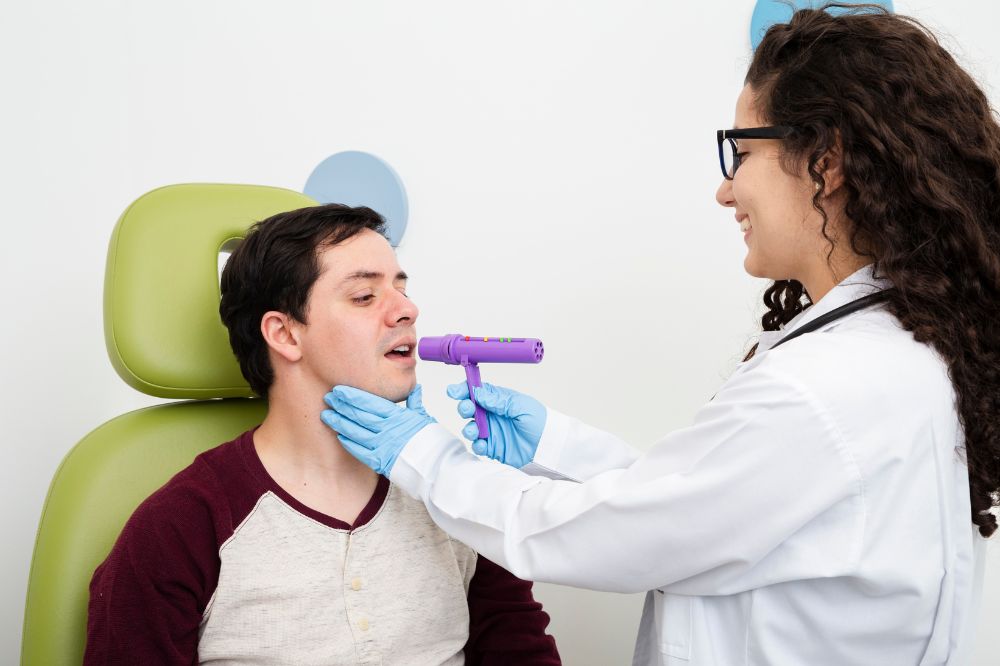
The first step involves evaluating oral habits and muscle function. A dental professional observes:
- Tongue posture
- Breathing pattern
- Swallowing behavior
- Lip and facial muscle strength
This evaluation helps create a personalized therapy plan.
2. Personalized Exercise Program
After the assessment, patients receive exercises designed to strengthen and retrain oral muscles.
Examples of exercises include:
- Tongue placement training
- Lip sealing exercises
- Controlled swallowing techniques
- Breathing exercises
These exercises are usually short and easy to perform at home.
3. Regular Practice and Monitoring
Consistency is important for successful results. Patients typically practice exercises daily.
Follow-up visits help ensure progress and allow adjustments to the therapy plan if needed.
4. Habit Correction
Myofunctional therapy helps replace harmful habits with healthy ones.
For example:
- Mouth breathing is replaced with nasal breathing.
- Improper swallowing is corrected with proper tongue positioning.
These changes improve oral function and long-term dental health.
Benefits of Myofunctional Therapy
Myofunctional therapy offers many benefits for both children and adults. It helps the muscles of the mouth and face work properly and supports better overall health.
- Helps keep teeth in the right position: When the tongue stays in the correct position, it reduces pressure on the teeth and can support orthodontic treatment.
- Helps you breathe through your nose: Nasal breathing is healthier because the nose filters the air and helps the body get better oxygen.
- Helps improve swallowing: The therapy trains the tongue to move the right way while swallowing, which prevents extra pressure on the teeth.
- Enhances facial muscle strength: Exercises strengthen facial muscles and improve muscle balance.
- Supports better sleep: Correct breathing habits may help reduce snoring and improve sleep quality.
Who Can Benefit from Myofunctional Therapy?
Myofunctional therapy is helpful for many people.
Children
Children often benefit because therapy can guide proper oral development. It may help address:
- Mouth breathing
- Thumb sucking habits
- Speech development concerns
- Early orthodontic issues
Adults
Adults can also improve oral function and breathing habits with therapy.
It may help manage:
- Jaw discomfort
- Snoring or mild sleep issues
- Poor tongue posture
- Swallowing problems
Signs You May Need Myofunctional Therapy
Recognizing early signs can help address oral muscle issues before they worsen.
Possible signs include:
- Frequent mouth breathing
- Tongue pushing against teeth.
- Difficulty swallowing
- Crooked teeth despite orthodontic treatment
- Snoring during sleep
A professional evaluation can determine whether therapy is recommended.
How Long Does Myofunctional Therapy Take?
Treatment length varies depending on the patient and the habits being corrected.
Most therapy programs last between 3 and 12 months, with regular exercises performed at home.
Progress depends on:
- Consistency of practice
- Severity of muscle habits
- Age of the patient
Tips for Successful Therapy
Following these simple tips can help achieve better results:
- Practice exercises daily
- Maintain good oral hygiene.
- Attend scheduled follow-up visits.
- Stay consistent with breathing and tongue posture habits.
Commitment to these steps helps ensure long-term success.
Improve Your Oral Health with Expert Care!
Are you having trouble with breathing, swallowing, or the way your mouth muscles work? Healthy oral habits are important for keeping your teeth and mouth comfortable every day. With the right care, these problems can be improved. The team at Rymal Family Dental provides personalized care to help support better oral health. Book a consultation today to learn how therapy can help you feel more comfortable and improve your overall well-being.
FAQs
Can children benefit from myofunctional therapy?
Yes. Starting therapy early can help guide proper mouth and jaw development. It also reduces the chance of needing more orthodontic treatment in the future.
Does myofunctional therapy help with breathing problems?
Yes. The therapy helps many people learn to breathe through their nose instead of their mouth, which supports healthier breathing habits.
How often should exercises be done?
Most exercises are performed daily for a few minutes. Consistency is key to achieving results.
Can myofunctional therapy work with braces?
Yes. Therapy can support orthodontic treatment by correcting tongue posture and oral habits.