

We accept the Canadian Dental Care Plan (CDCP), click here to learn more.
Jaw bone loss can affect your overall oral health and complicate certain dental treatments, such as dental implants. At Rymal Family Dental, we provide bone grafts in Hamilton, ON, that can fortify your jaw and return your jaw’s shape to normal. Whether your bone loss is a result of missing teeth, gum disease, or trauma, a dentist can assist you in regaining a healthy smile foundation.
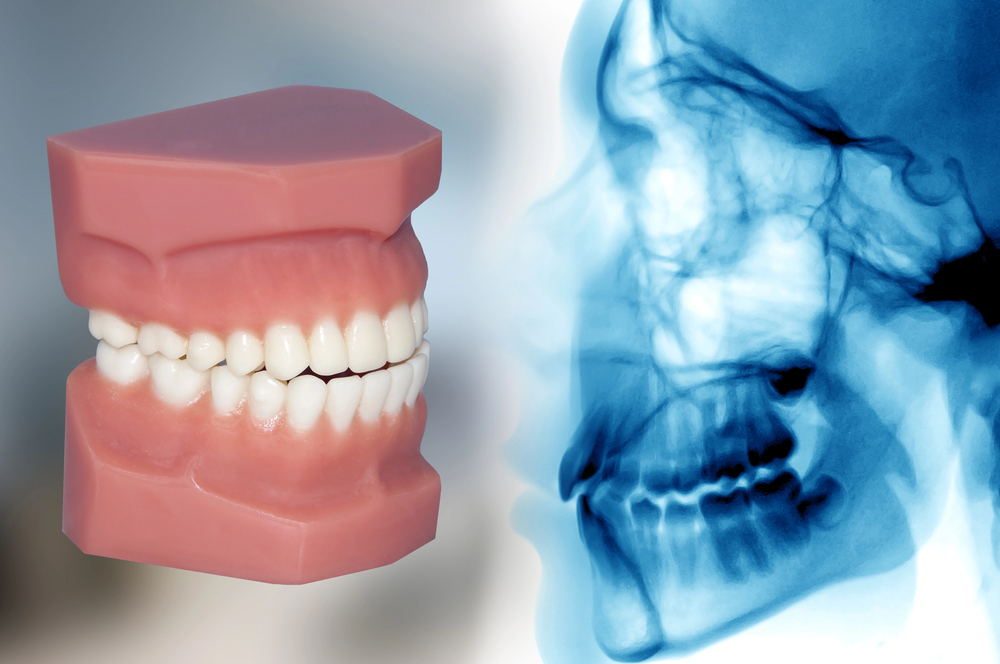
Bone grafting is a treatment that replaces lost bone in the jaw. It assists in supporting dentures, and dental implants, as well as the general health of the jaw. The material used in grafting may be obtained from your body, a donor, or from synthetic sources, depending on what you require. Your condition will be examined by a nearby dentist who will also choose the most suitable method for treating you.
Bone grafting will typically be needed if there is widespread bone loss in the jaw. This can happen as a consequence of:
If you are considering dental implants or have been told that you do not have enough bone to be able to have the procedure performed, bone grafts by your dentist near you can be an answer.
Yes, bone grafting is a routine and safe procedure. At Rymal Family Dental, we employ state-of-the-art techniques and high-quality materials to provide the best outcomes. Our skilled team will walk you through each step, ensuring your comfort and safety.
If you require bone grafts near you, Rymal Family Dental can assist you. Our experienced staff will evaluate your requirements and develop a treatment plan that suits you. Call us today to arrange your appointment and start your journey to a healthier smile!
A dental bone graft is recommended when there is not enough bone to support a dental implant. It may also be needed after tooth loss, injury, or infection to rebuild the jawbone and ensure proper dental structure.
The bone graft procedure usually takes between 30 minutes to 90 minutes, depending on the size and complexity of the graft. Our dentist will discuss the exact timing before the treatment.
In some cases, alternatives like smaller implants, bridgework, or partial dentures may be considered. However, bone grafting is often the optimal option to restore proper support for teeth and implants.
Signs of a failed bone graft can include persistent pain, swelling, infection, or loose bone at the site. Our dentist will monitor healing closely and provide care if problems appear.
Yes, mild to moderate swelling is common after a bone graft. It usually lasts a few days. Ice packs, rest and following our dentist’s instructions help reduce swelling effectively.
Most people can resume normal activities within a few days. Heavy exercise or strenuous activity may need to wait for one to two weeks, depending on your healing and our dentist’s advice.