Dental bridges help restore the appearance and function of missing teeth, but the surrounding gums still need careful attention. Redness, bleeding, swelling, or soreness near a bridge can indicate irritation, plaque buildup, or another underlying dental problem.
If you’re considering dental bridges in Hamilton, ON, understanding these possible complications can help you recognize when symptoms need professional attention. A bridge may contribute to gum problems if its shape makes cleaning difficult or its fit places pressure on the surrounding tissue.
However, gum disease, decay around supporting teeth, and bite-related issues can cause similar discomfort. Identifying the underlying cause is essential to choosing the appropriate treatment and protecting the teeth that support the restoration.
How a Bridge Can Affect the Gums
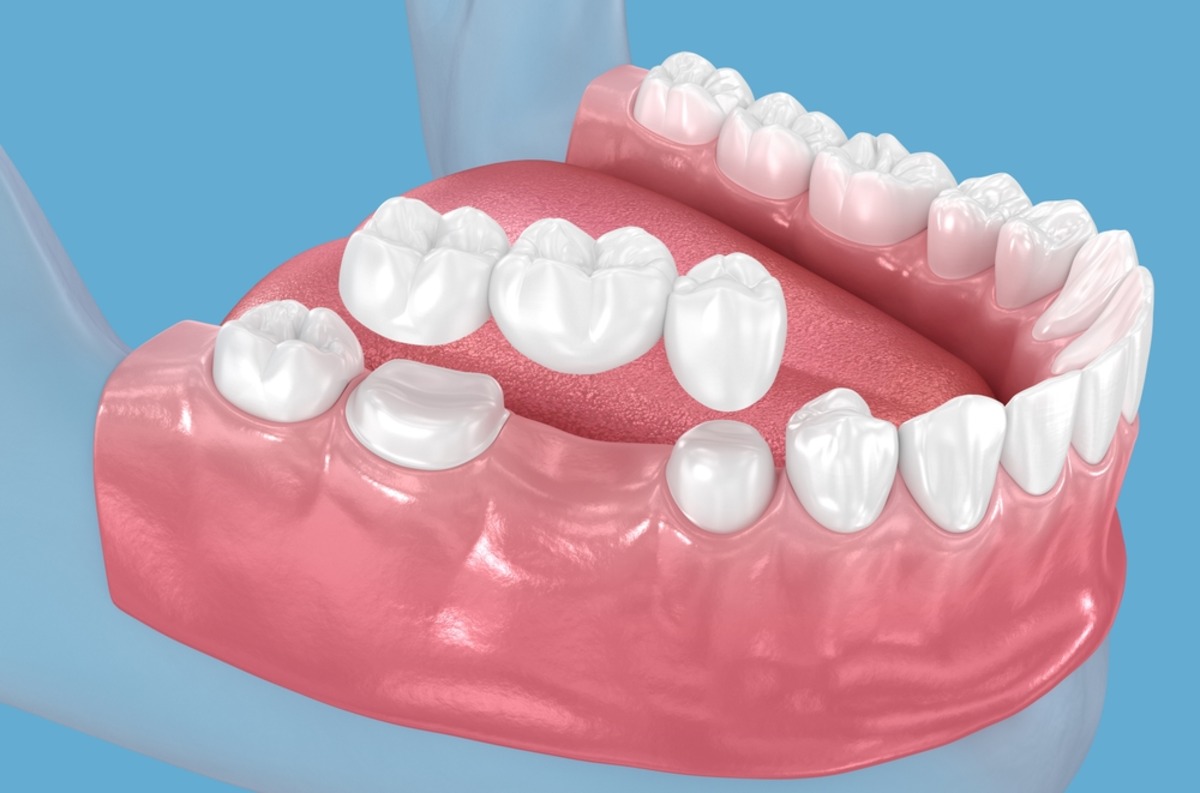
A dental bridge replaces a missing tooth with an artificial tooth called a pontic, which is supported by natural teeth or dental implants, depending on the design. The pontic may sit close to the gum, leaving an area underneath that requires regular cleaning.
When plaque and food debris accumulate around this area, the surrounding gums may become inflamed. A bridge with a contour that is difficult to clean can make plaque removal more challenging.
Gum irritation may also occur if the restoration presses excessively against the tissue or if the bite places too much force on the area. However, symptoms do not automatically mean the bridge is poorly fitted. Other dental or gum conditions may be responsible.
Signs to Watch For
Changes around a bridge can provide clues that the gums or supporting teeth need attention. Possible warning signs include:
- Redness, swelling, or bleeding around the bridge.
- Soreness when brushing or chewing.
- Food repeatedly becomes trapped beneath or beside the pontic.
- Persistent bad breath or an unpleasant taste.
- Discomfort when biting down.
- Movement or a feeling that the bridge is loose.
These symptoms can have several causes. For example, bleeding may indicate gum inflammation, while discomfort during chewing could relate to bite pressure, decay, or problems with the restoration. A dental assessment can help identify the source.
How Fit, Plaque and Food Trapping Contribute
The bridge’s shape and contact with nearby teeth can affect how easily the area stays clean. If plaque remains around the margins or beneath the pontic, it may irritate the gums. Food repeatedly entering the same space can also cause localized tenderness.
Bite alignment is another consideration. If the bridge contacts the opposing teeth too early, the extra pressure may cause discomfort when chewing. Brushing more forcefully will not correct this problem; the bite may need to be assessed and adjusted by a dental professional.
Can a Bridge Cause Gum Inflammation?
Yes, a bridge can contribute to gum inflammation, particularly when plaque accumulates in areas that are difficult to clean. However, periodontal disease, decay around supporting teeth, and other oral health conditions can produce similar symptoms.
A dentist in Hamilton, ON can examine the bridge margins, surrounding gums, bite, and supporting teeth to determine what may be irritating. Dental X-rays may be recommended when decay or changes affecting the supporting structures are suspected.
During an assessment, explain when the symptoms started, whether chewing makes them worse, and how often food becomes trapped in the same area. These details can help guide the evaluation.
How to Care for the Area at Home
Consistent, gentle cleaning helps protect the gums and the teeth supporting a bridge. Helpful steps include:
- Brush Gently: Use a soft-bristled toothbrush to clean along the gumline and around the bridge.
- Clean Beneath the Pontic: Use a floss threader, bridge floss, or another suitable aid recommended by your dental professional.
- Choose Appropriate Cleaning Tools: An interdental brush or water flosser may help, depending on the bridge design and the space available.
- Avoid Forcing Tools: Do not push cleaning aids into tight spaces or snap floss against the gums.
- Maintain Daily Oral Hygiene: Continue cleaning the supporting teeth carefully, as they can still develop decay and gum disease.
If bleeding continues or you cannot clean beneath the bridge comfortably, seek advice about the correct technique. A water flosser may help remove debris, but it may not replace all other recommended cleaning methods.
What Treatment Might Be Needed?
Treatment depends on the cause of the symptoms. Professional cleaning and improved home care may help when plaque buildup is responsible. If the bite is uneven, an adjustment may be appropriate.
When the bridge’s shape or fit repeatedly traps food or places pressure on the gums, a dentist near you may discuss modifying or replacing the restoration. Decay and gum disease require their own treatment plans.
Arrange a dental assessment for persistent pain, bleeding, swelling, or bridge movement. Seek urgent care for rapidly spreading swelling, fever accompanied by worsening symptoms, or difficulty breathing or swallowing.
Protect Your Gums and Your Dental Bridge
Gum irritation around a dental bridge should not be dismissed as a normal part of wearing the restoration. Finding the cause early can help prevent ongoing discomfort and protect the supporting teeth. Whether the issue involves plaque buildup, bite pressure, or the bridge’s fit, an appropriate assessment can clarify the next steps.
Book a consultation with Rymal Family Dental to have your symptoms evaluated and discuss the most suitable care for your gums and dental bridge.
FAQs
Can a dental bridge cause gum problems?
Yes. Plaque buildup, trapped food, or a restoration that is difficult to clean can contribute to gum irritation. However, gum disease and decay may cause similar symptoms, so an assessment is important.
Why does a dental bridge irritate the gums?
Possible causes include plaque accumulation, trapped food, pressure on the gum tissue, or uneven bite contact. A dental professional can examine the restoration and surrounding tissues to identify the likely cause.
Can a dental bridge cause gum inflammation?
Yes. Plaque that remains around or beneath a bridge can inflame the gums. Periodontal disease and other conditions can also contribute, so treatment should address the underlying cause.
Can food trapped under a bridge cause soreness?
Yes. Trapped food can irritate the surrounding gums. Repeated food trapping may also indicate that the bridge’s shape or contact points need review. Clean the area gently and arrange an assessment if the problem persists.
Does a loose bridge need urgent attention?
A loose bridge should be assessed promptly because movement may affect the supporting teeth and allow debris to accumulate. Avoid chewing on it or attempting to glue it in place. Seek urgent care if it is accompanied by severe pain, swelling, or fever.