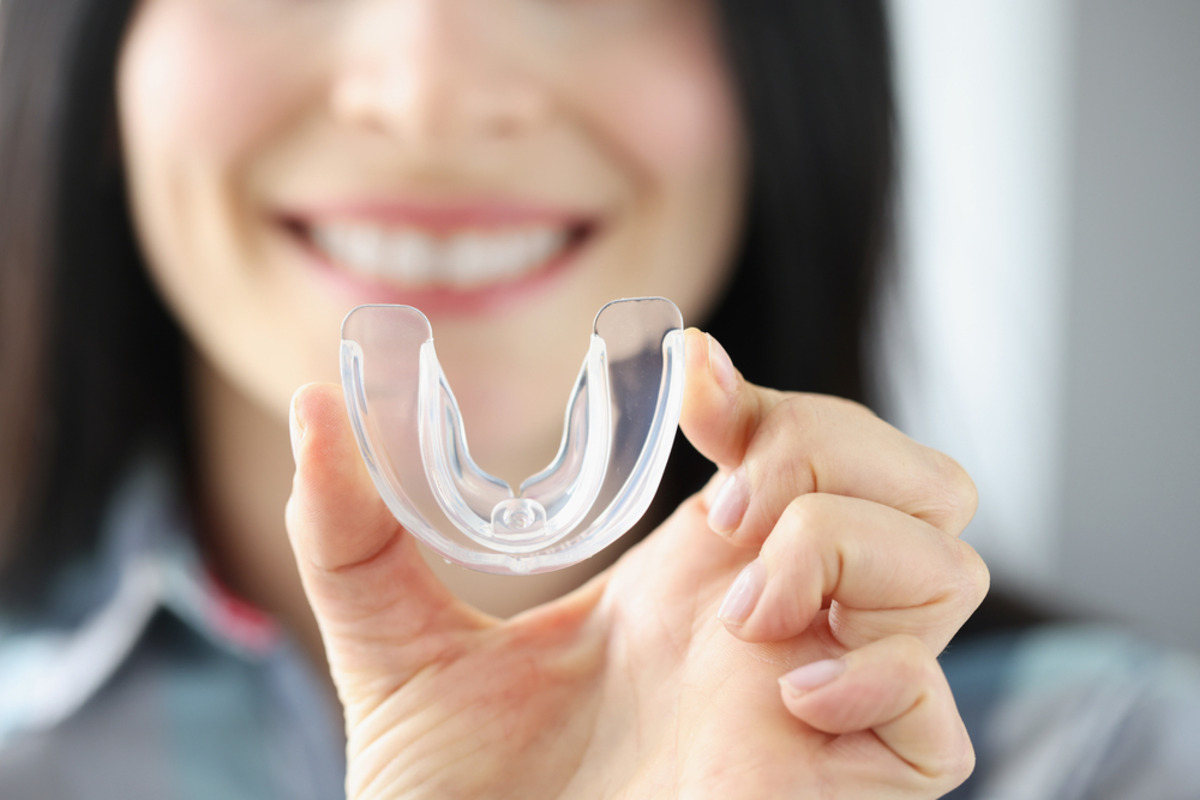
A chipped tooth, small gap, or minor stain can affect the appearance of a smile. Many people looking for cosmetic dental solutions wonder whether dental bonding or veneers is the better choice. Dental bonding in Hamilton, ON, is a popular treatment used to improve the appearance of teeth quickly and conservatively. While veneers are often recommended for larger smile makeovers, bonding can be an excellent option for specific cosmetic concerns.
Learning about these treatment options can help you choose the one that is right for you more easily.
What Is Dental Bonding?
Dental bonding is a cosmetic dental treatment that uses a tooth-coloured material to improve the look of your teeth.
The material is carefully shaped and attached to the tooth surface to correct minor imperfections.
Dental bonding may be used to:
- Repair chipped teeth
- Close small gaps
- Improve tooth shape
- Cover minor stains
- Fix worn tooth edges.
The goal is to improve the look of your smile while keeping as much of your natural tooth as possible.
How Does Dental Bonding Work?
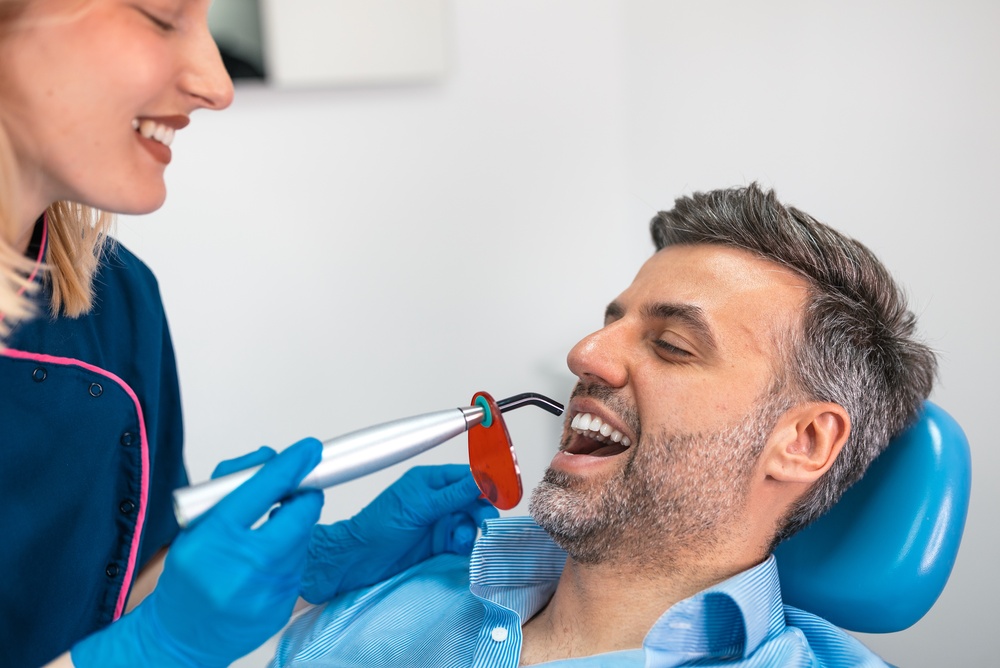
The dental bonding process is usually simple and can often be completed in one visit at a dental clinic in Hamilton, ON.
It may include:
- Cleaning and preparing the tooth
- Applying a special liquid to help the material stick
- Adding the tooth-coloured bonding material
- Shaping the material to look natural
- Using a special light to harden it
- Polishing the tooth for a smooth finish
Very little or no natural tooth structure is removed, making bonding a simple cosmetic treatment option.
What Are Veneers?
Veneers are thin, custom-made shells that cover the front surface of teeth.
They are often made from porcelain and are designed to improve:
- Tooth colour
- Shape
- Size
- Alignment appearance
- Smile symmetry
Veneers can provide dramatic cosmetic improvements and are commonly used for comprehensive smile enhancement.
Dental Bonding vs Veneers Differences
Understanding the dental bonding vs veneers differences can help determine which treatment may be more suitable.
| Feature | Dental Bonding | Veneers |
| Material | Composite resin | Porcelain |
| Treatment Time | Often one visit | Usually multiple visits |
| Enamel Removal | Minimal | More preparation required |
| Cost | Generally lower | Generally higher |
| Repairs | Often easier to repair | May require replacement |
| Cosmetic Changes | Minor to moderate | Moderate to extensive |
Both treatments can improve appearance, but they are designed for different situations.
When Is Dental Bonding a Better Option Than Veneers?
Dental bonding may be a good option for small cosmetic concerns.
Examples include:
- Small chips or cracks: Bonding can help repair minor tooth damage.
- Small gaps between teeth: It may help close small spaces between teeth.
- Uneven tooth shape: Bonding can improve the shape of slightly uneven teeth.
- Minor smile improvements: It works well for small cosmetic changes.
- Keeping more natural teeth: Bonding usually requires very little change to your natural teeth.
The best treatment depends on your dental needs and smile goals.
Benefits of Dental Bonding for Cosmetic Repair
There are several benefits of dental bonding for cosmetic repair that make it a popular treatment choice.
- Quick Treatment: Many bonding procedures can be completed during a single appointment.
- Natural Appearance: The resin is matched to the colour of surrounding teeth for a seamless look.
- Conservative Approach: Little natural tooth structure is removed during treatment.
- Cost-Effective Option: Bonding is often a more affordable cosmetic treatment.
- Versatile Solution: It can address multiple minor cosmetic concerns simultaneously.
Who May Be a Good Candidate for Dental Bonding?
Dental bonding may be suitable for individuals who have:
- Small chips
- Minor cracks
- Small gaps
- Slight discoloration
- Uneven tooth edges
Healthy teeth and gums are important before any cosmetic treatment is considered.
When Might Veneers Be Recommended Instead?
Bonding works well for many people, but veneers may be a better choice when:
- Several teeth need cosmetic improvement.
- Teeth have deep stains or discoloration.
- Bigger changes to tooth shape are needed.
- You want a long-lasting smile makeover.
- There are more noticeable cosmetic concerns.
A dental exam can help determine which treatment is best for your smile.
What to Expect After Dental Bonding
After dental bonding, you can usually go back to your normal activities right away.
To help keep your bonded teeth looking good:
- Brush your teeth twice a day.
- Floss every day
- Avoid biting hard objects.
- Limit foods and drinks that can stain teeth.
- Visit your Hamilton dentist near you for regular checkups.
Good oral care can help your bonding last longer and keep your smile looking its best.
Enhance Your Smile With Personalized Cosmetic Care!
Small changes to your teeth can make a big difference in the way your smile looks and feels. If you have chipped teeth, small gaps, or other minor cosmetic concerns, the right treatment can help improve your smile. Schedule a consultation with Rymal Family Dental to learn about your cosmetic dental options and receive personalized smile care.
FAQs
Is dental bonding permanent?
No. Dental bonding can last for many years, but it may need repair or replacement over time.
How long does dental bonding usually last?
With proper care, bonding can often last several years before touch-ups or repairs become necessary.
Does dental bonding look natural?
Yes. The bonding material is matched to the surrounding tooth colour to create a natural appearance.
Can bonding fix gaps between teeth?
Yes. Small gaps can often be improved with dental bonding without more extensive treatment.